Warm homes plan would create ۵۰,۰۰۰ jobs, compared with about ۱,۱۰۰ for Rosebank oilfield, thinktank finds
Insulating Britain’s homes and investing in heat pumps would do more to cut the cost of living, create jobs and boost the UK’s economy than drilling for new oil, research suggests.
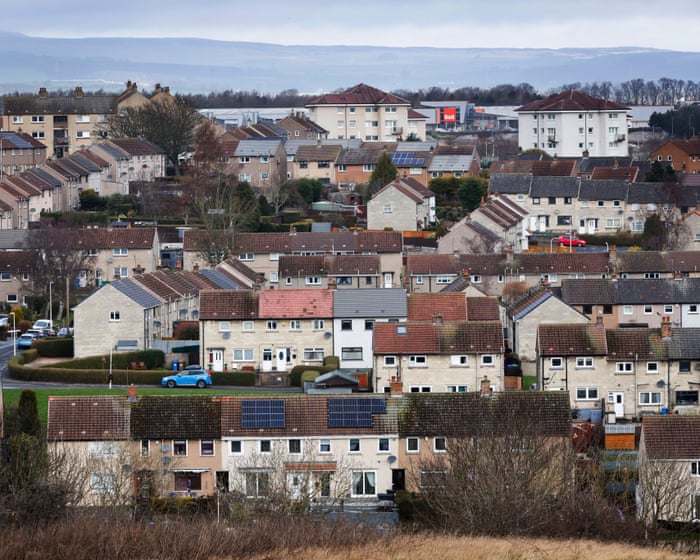
The government’s £۱۵bn warm homes plan, currently under threat of cuts as ministers seek budget savings , would slash £۱bn a year from household energy bills across the UK, concentrated on those on low incomes, according to research by the thinktank E۳G. It would also provide a £۱.۶bn yearly boost to the economy, and about ۵۰,۰۰۰ new jobs spread across thousands of small businesses.
The Rosebank oilfield, west of Shetland, would create about ۱,۱۰۰ direct and indirect jobs, the analysis found. The jobs would be concentrated in the North Sea and in two companies, one of them – Equinor – an overseas investor.
A decision on whether to give the green light to the Jackdaw gasfield in the North Sea was “imminent”, the energy secretary, Miatta Fahnbulleh, said on Wednesday. A decision on Rosebank would take a little longer, she said.
Labour promised in its ۲۰۲۴ election manifesto to halt new licensing for oil and gas, but Jackdaw and Rosebank could be exceptions because they were already in the licensing system.
Equinor previously estimated ۳,۵۰۰ jobs would be created at peak for Jackdaw and Rosebank combined.
Experts have repeatedly pointed out that new North Sea oil and gas would not bring down fuel prices or ease any supply constraints on the UK arising from the Iran war, because oil and gas are sold on international markets.
Some proponents of drilling argue that the economic boost to the UK and tax revenues for the government are reasons to grant licences. But related research by WWF and the campaigning group Uplift shows that tax revenues are likely to be limited, given the concessions that drillers can expect . While the total profits from Rosebank for its backers, Equinor, Shell and Ithaca Energy, could be £۱.۵bn over its ۲۵-year lifespan, the UK government faces a potential loss of £۲۵۸m through tax breaks and incentives.
Tax revenues from the North Sea were about £۴bn in ۲۰۲۵-۲۶, but upstream tax relief and support measures amounted to an estimated £۳.۲۶bn.
As the North Sea is a basin in steep decline, tax revenues from drilling are projected to fall to about £۱۰۰m by ۲۰۳۰. Decommissioning costs for drilling platforms are also a major factor: taxpayers are likely to be asked for £۱۲bn as the North Sea’s infrastructure is dismantled.
The warm homes plan , under which up to ۵m homes would be insulated, would draw in a further £۱۵bn in private investment, according to E۳G, which would be spread across the country rather than concentrated in one area, in line with Andy Burnham’s pledge for economic growth “in every postcode”.
E۳G also estimates that delivering the warm homes plan in full would boost GDP by ۰.۰۸%, while AI modelling suggests Rosebank would add about ۰.۰۲۵% on average through its lifetime, assuming the average oil price returning to $۷۰ a barrel from recent highs. If the UK taxpayer paid for decommissioning, this would outweigh any positive impact.
James Huw Dyson, a senior researcher at E۳G, said: “When the first cold snap rolls in, the public aren’t going to thank the government for cutting home insulation while giving big oil tax breaks to drill for polluting energy that keeps our bills high. If the government is serious about tackling the cost of living, and investing across the country, it should focus its attention on insulating homes and rolling out clean energy, which will cut bills and create good jobs across Britain at the same time.”
Ten major unions wrote to the government on Thursday to oppose granting a licence to the Rosebank oilfield. Scores of Labour MPs also oppose the move , and ۶۰۰ scientists wrote to ministers over the summer urging a rethink.
Dhara Vyas, the chief executive of Energy UK, which represents the energy industry, said: “We need government to stick to its ambitions on electrification. Watering down the warm homes plan or making further changes to the zero emissions vehicle mandate sends mixed signals to a market that has been in a state of flux for far too long – these businesses cannot easily ramp up production again, and sadly for too many have already had to close.”
The Department for Energy Security and Net Zero declined to comment on E۳G’s findings or the future of the warm homes plan.
A spokesperson for Adura, the joint venture between Equinor and Shell that owns Jackdaw and Rosebank, said: “Analysis has shown that approving Rosebank and other planned North Sea oil developments would support £۳۵.۳bn in UK economic value between ۲۰۲۶ and ۲۰۳۵. Rosebank alone represents private sector investment of £۸.۷bn, three quarters of which will be spent in the UK, and together with Jackdaw will contribute £۴.۱bn in additional tax revenue over the next decade.”
These figures take in the company’s wider operations beyond Rosebank and Jackdaw, and also make assumptions about the wider supply chain and the spending of employees as economic benefits, which are uncertain. On the tax take, they do not take account of the large tax reliefs available, estimated at more than £۲.۴bn. Contrary to standard HM Treasury practice, Adura’s estimates do not appear to factor in a discount rate for future income.
Comments · ۰